

A real-life clinical story that reminds us why asking the right questions can make all the difference.
It started like an ordinary fever case.
A high-school student walked into my clinic with a high-grade fever accompanied by chills, severe body pain and a mild headache. But something about his symptoms caught my attention.
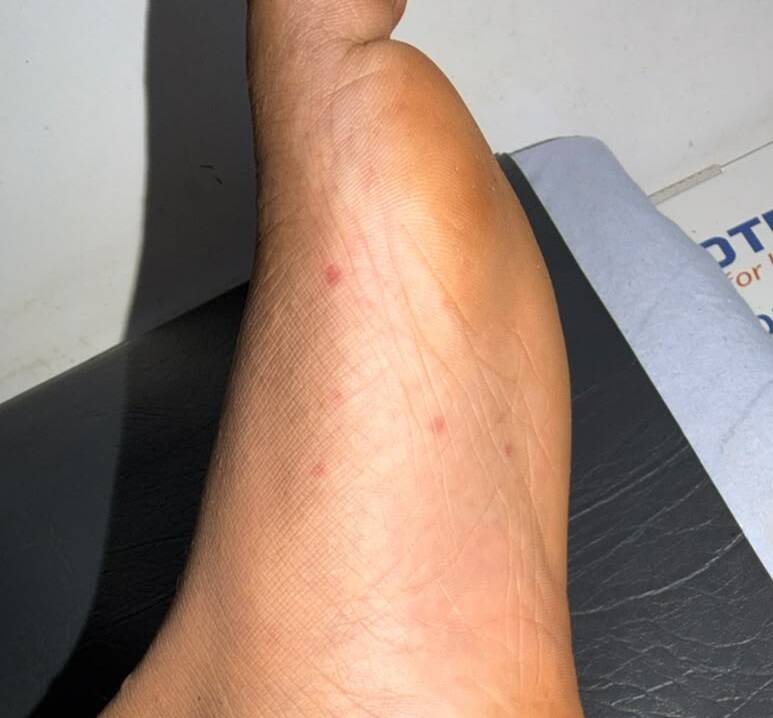
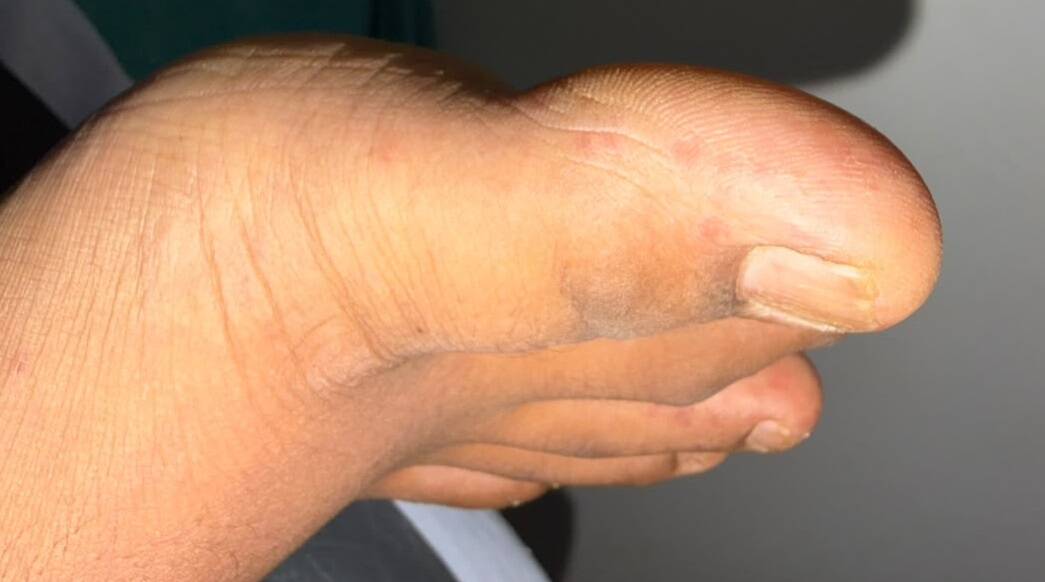
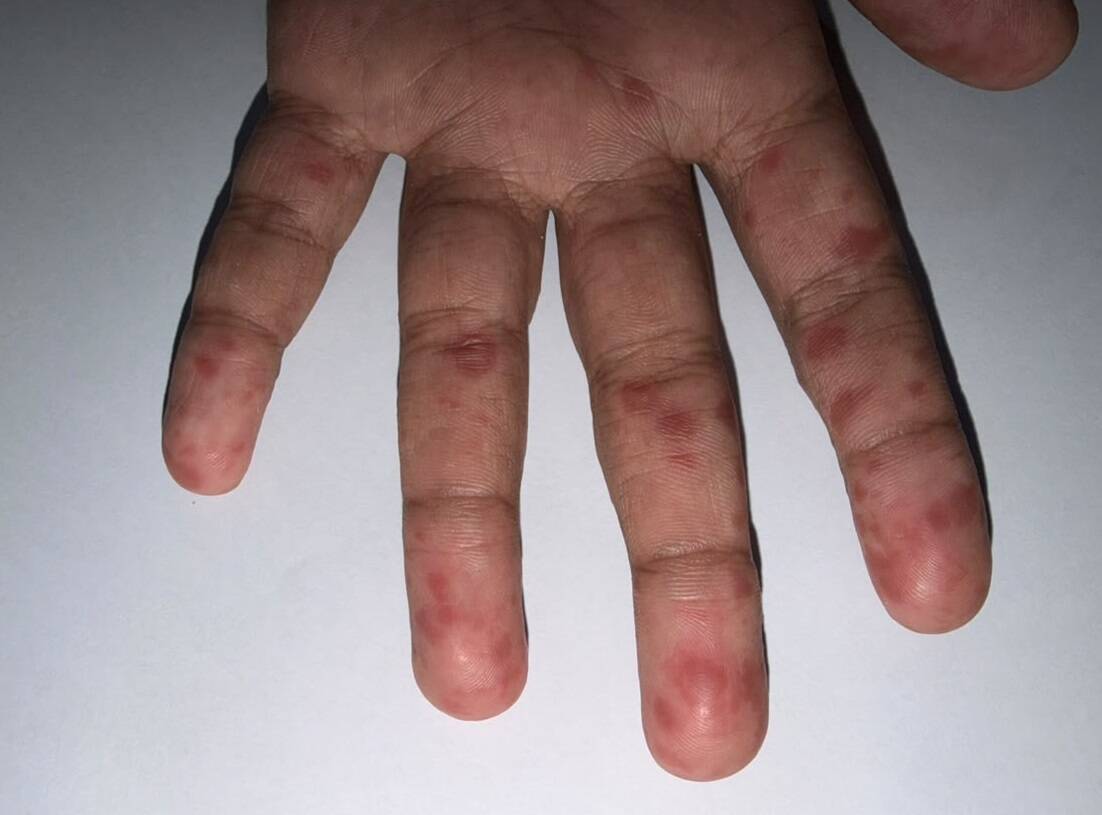
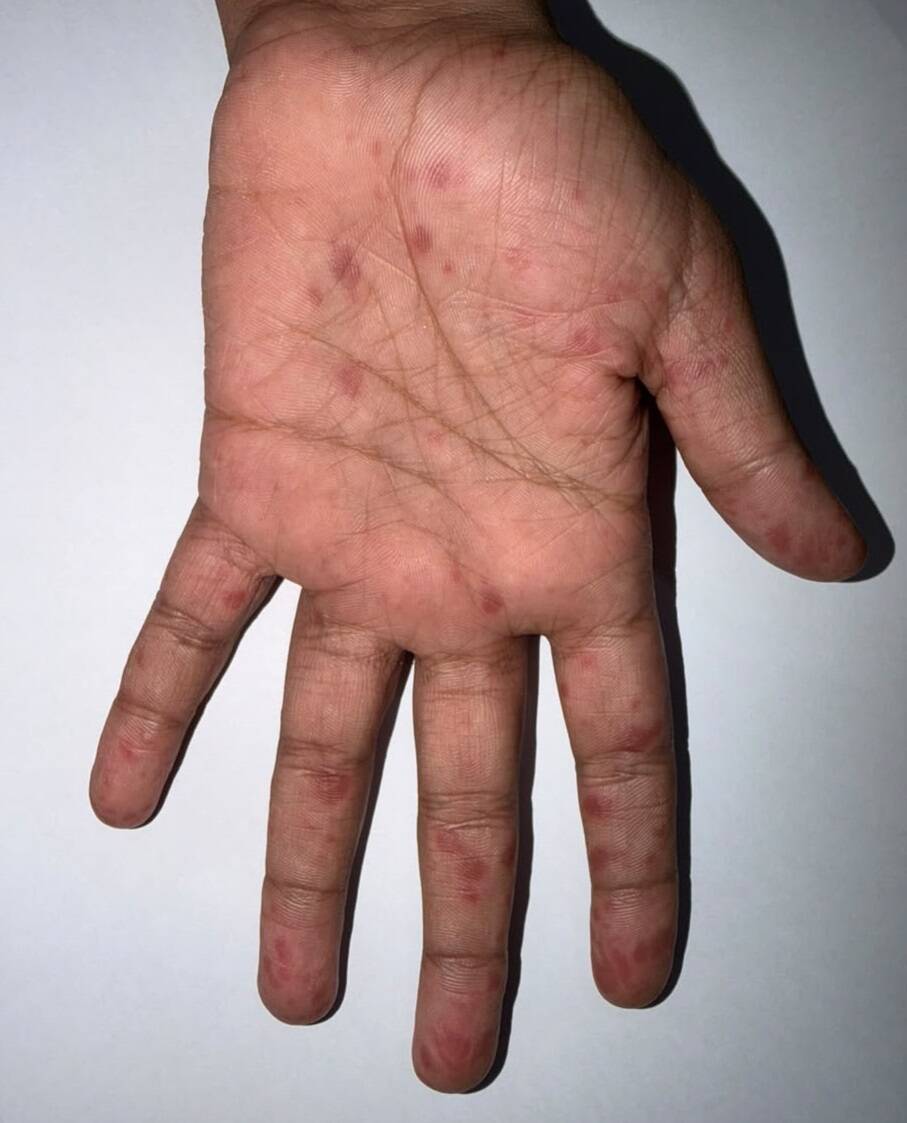
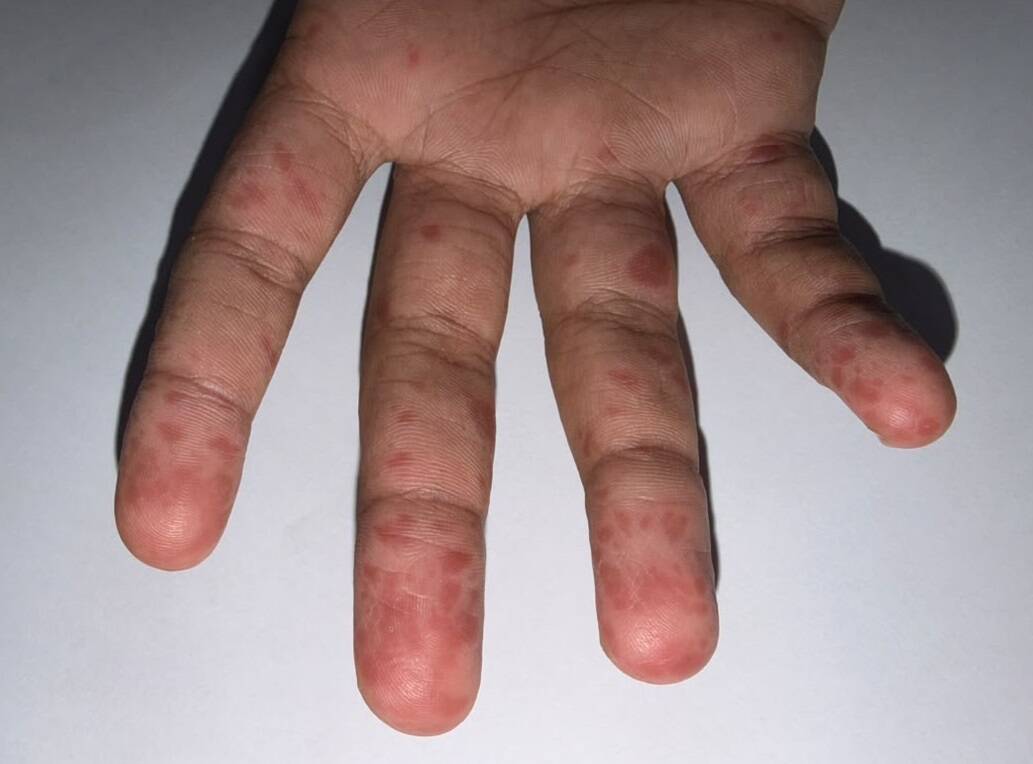
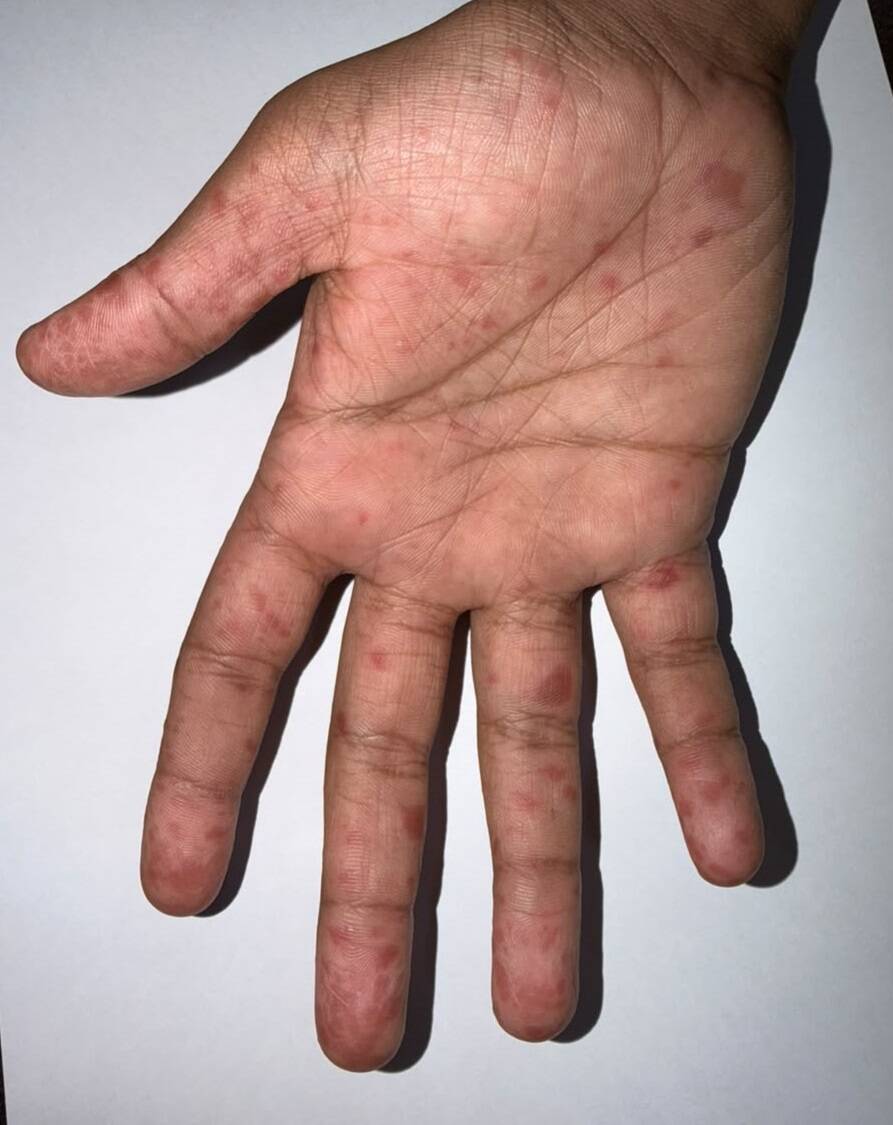
He had also developed small rashes over his palms and soles, with a few scattered spots over the rest of his body.
The rashes were unusual. They were not itchy, there were no blisters, no fluid discharge and no pus. However, they were mildly painful, especially on his palms and soles.
At first glance, this did not look like a typical viral fever.
I started asking questions.
Had he travelled recently? No.
Had he been in contact with anyone who was sick? No.
Was anyone else at home having fever? No.
Any cough, cold, breathing difficulty, vomiting or loose stools? Nothing significant.
The usual clues were missing.
Something wasn’t adding up.
The question that changed everything
Instead of stopping there, I went back in time.
“What did you do seven days ago? What about five days ago? Any unusual activity at school?”
After a little thought, he remembered something.
About seven to eight days earlier, his school had organised an extracurricular activity involving cleaning the school grounds and garden. Students had entered an area covered with grass, shrubs and small plants. They had cut the overgrown vegetation and cleared the ground.
It sounded like an ordinary school activity. Nothing particularly dangerous.
But medically, that small detail was extremely important.
Overgrown grass, bushes and vegetation can harbour ticks and other tiny insects. A tick bite can sometimes transmit an infection called Rickettsial fever, a group of infections caused by bacteria belonging to the Rickettsia family.
The bite may be painless and so small that the person may never even notice it.
Suddenly, the unexplained fever and the unusual rash began to make sense.
The test that supported our suspicion
We proceeded with a tropical fever evaluation.
His Weil-Felix test, a screening test historically used in the evaluation of rickettsial infections, showed strongly positive titres, reaching 1:320.
Considering his symptoms, examination findings and the history of exposure to overgrown vegetation, rickettsial infection became a strong clinical possibility.
We immediately started appropriate injectable antibiotic treatment.
And the response was encouraging.
Within just 12 hours, he started feeling significantly better. His fever subsided, his appetite returned and he began eating comfortably.
It was a reminder of how important early recognition and timely treatment can be.
What can we learn from this case?
Rickettsial infections are often overlooked because their initial symptoms can resemble ordinary viral fever.
However, certain warning signs deserve attention:
- High fever with chills and body pain.
- Headache and unexplained weakness.
- Rashes involving the palms and soles.
- Recent exposure to grasslands, bushes, farms, gardens or overgrown vegetation.
- Fever developing days after outdoor exposure.
Not everyone with a tick bite develops an obvious bite mark. Sometimes, patients do not even realise that they have been bitten.
A small activity, an important lesson
Cleaning a school garden is a healthy and responsible activity. We should encourage children to participate in such activities.
But awareness and precautions are equally important. Wearing full-sleeved clothing, long trousers, closed footwear and checking the skin and clothes after outdoor activities can help reduce exposure to ticks.
The biggest lesson from this case?
Never underestimate the power of a detailed history.
Sometimes, the answer to a medical mystery is hidden in something that happened seven days ago.
A simple question can change the diagnosis. An early diagnosis can change the outcome.
Stay aware. Stay protected. And never ignore an unexplained fever, especially after exposure to grass, bushes or outdoor environments.
Dr Chetan K Ganteppanavar
MBBS, MD, DNB (GENERAL MEDICINE)
Kalpana Multispeciality Clinic, Hubballi
Cell : 8147148724
Time : 9am to 9pm